If sleep feels less reliable than it used to, you're not imagining it. Sleep architecture genuinely shifts with age — deep sleep stages shorten, and the body becomes more sensitive to disruptions from light, temperature, and timing. The good news is that a handful of daily habits can meaningfully support better sleep, often before you ever consider a supplement.
Why Sleep Changes After 45
Melatonin production naturally declines with age, and the body's internal clock — the circadian rhythm — tends to shift earlier and become more sensitive to disruption. Hormonal changes, more frequent nighttime bathroom trips, and increased sensitivity to stress can all chip away at sleep continuity. None of this means good sleep is out of reach after 45 — it means the habits that support it become more important, not less.
Morning Light, Not Just Evening Darkness
Most sleep advice focuses on evening routines, but morning light exposure is arguably just as important. Getting outside, or at least near a bright window, within the first hour of waking helps anchor your circadian rhythm, making it easier for your body to know when it's time to wind down roughly 14-16 hours later. Even 10-15 minutes of natural morning light can make a measurable difference over a few weeks.
Caffeine Timing Matters More Than You Think
Caffeine has a half-life of roughly 5-6 hours, meaning half of a 2pm coffee is still in your system at 8pm — and that's before accounting for the fact that caffeine sensitivity tends to increase with age as metabolism slows. A simple, high-impact change for many people is setting a caffeine cutoff of early-to-mid afternoon, even if you've "always been able to handle" an evening cup.
Movement, Timed Right
Regular physical activity is consistently associated with better sleep quality, but timing matters. Vigorous exercise too close to bedtime can raise core body temperature and heart rate in a way that works against winding down. A daily walk, especially earlier in the day, tends to support sleep more reliably than an intense workout right before bed.
Building a Wind-Down Routine
A consistent pre-bed routine signals to your body that sleep is coming, the same way a toddler's bedtime routine works — just for adults. This doesn't need to be elaborate: dimming lights an hour before bed, putting screens away, reading a physical book, or some light stretching can all serve as reliable cues. The specific activity matters less than the consistency of doing it, night after night, at roughly the same time.
Room Temperature and Environment
Most sleep researchers point to a cooler room — generally in the range of 65-68°F (18-20°C) — as more conducive to sleep than a warm one, since core body temperature naturally drops as part of the sleep process. Blackout curtains, white noise, and a comfortable mattress are simple environmental factors that are easy to overlook but make a real difference over time.
Alcohol's Deceptive Relationship With Sleep
A nightcap can make falling asleep feel easier, which is exactly why it's such a common (and commonly misunderstood) sleep habit. Alcohol is a sedative, so it does shorten the time it takes to fall asleep initially. But as it metabolizes over the night, it tends to fragment the second half of sleep, reducing REM sleep and often leading to earlier waking with a harder time falling back asleep. For adults over 45, whose sleep is already more fragile to disruption, this trade-off tends to become more noticeable — the "quick fix" often costs more in sleep quality than it gives in sleep onset.
The Nap Question
Naps aren't inherently bad, but timing and length matter more with age. A short nap (20-30 minutes) earlier in the afternoon is far less likely to interfere with nighttime sleep than a longer nap, or one taken later in the day. If you're already struggling with nighttime sleep, it's worth experimenting with cutting naps altogether for a couple of weeks to see whether it improves nighttime continuity — sleep drive (the pressure to sleep that builds throughout the day) is a real and useful mechanism, and naps can dilute it.
A Simple Bedroom Audit
Beyond the general environment tips above, it's worth doing a specific, deliberate audit of your actual bedroom:
- Mattress and pillow age — most mattresses lose significant support after 7-10 years, which can quietly worsen sleep quality without an obvious cause.
- Ambient noise — a partner's snoring, street noise, or a running appliance can cause repeated micro-arousals you may not consciously remember, but that still fragment sleep.
- Clock visibility — a visible clock can encourage clock-watching during nighttime wake-ups, which tends to increase anxiety and make it harder to fall back asleep. Turning it away from view is a small, free change worth trying.
- Bedding weight and breathability — since core temperature needs to drop for sleep onset, bedding that traps too much heat can work against that process, particularly for anyone experiencing hot flashes or night sweats.
When a Supplement Might Help
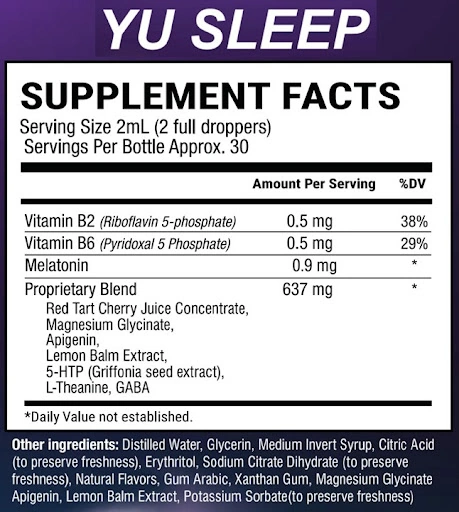
Habits are the foundation, but some people find that a supportive, low-dose supplement helps reinforce a routine that's already moving in the right direction — particularly one built around a modest melatonin dose alongside calming botanicals like magnesium glycinate, lemon balm, and L-theanine, rather than a high-dose sedative approach. It's not a replacement for the habits above; it's meant to work alongside them.
Give Changes Time to Show Results
One of the most common reasons sleep-habit changes get abandoned is impatience — trying a new bedtime routine for two nights and concluding it "doesn't work." Most of the habits above take two to four weeks of consistent practice before their effect becomes clearly noticeable, simply because your circadian rhythm and sleep associations are adjusting gradually, not instantly. Treating sleep improvement as a multi-week project, rather than a single night's experiment, tends to produce far better results.
The Weekend Sleep Trap
Many people maintain a strict weekday sleep schedule but let it slide considerably on weekends — sleeping in two or three hours later on Saturday and Sunday. This pattern, sometimes called "social jet lag," effectively puts your body through a mini time-zone shift twice a week, making Monday mornings feel like recovering from actual jet lag. Keeping wake times within about an hour of your weekday schedule, even on weekends, tends to preserve circadian stability far better than a fully relaxed weekend schedule, even if it means giving up the appeal of sleeping in.
Evening Eating and Sleep Quality
What and when you eat in the evening can meaningfully affect sleep quality, independent of caffeine. Large, heavy meals close to bedtime require active digestion at a time when your body is trying to wind down, which can interfere with the natural drop in core temperature associated with sleep onset. On the other end, going to bed genuinely hungry can also disrupt sleep. A modest, lighter evening meal finished two to three hours before bed, with a small protein-containing snack if needed closer to bedtime, tends to support smoother sleep onset for most people than either large late meals or an empty stomach.
Building Your Own Routine, Realistically
Rather than trying to implement every habit discussed here simultaneously, it's usually more sustainable to pick two or three that feel most relevant to your specific situation and build those into a consistent routine first. Once those feel automatic — typically after three to four weeks — adding another habit is easier than trying to overhaul your entire evening at once. Sleep improvement, like most health changes, tends to stick better as a gradual build than an all-at-once transformation.